Top Table Protectors for a Better-Dressed Table
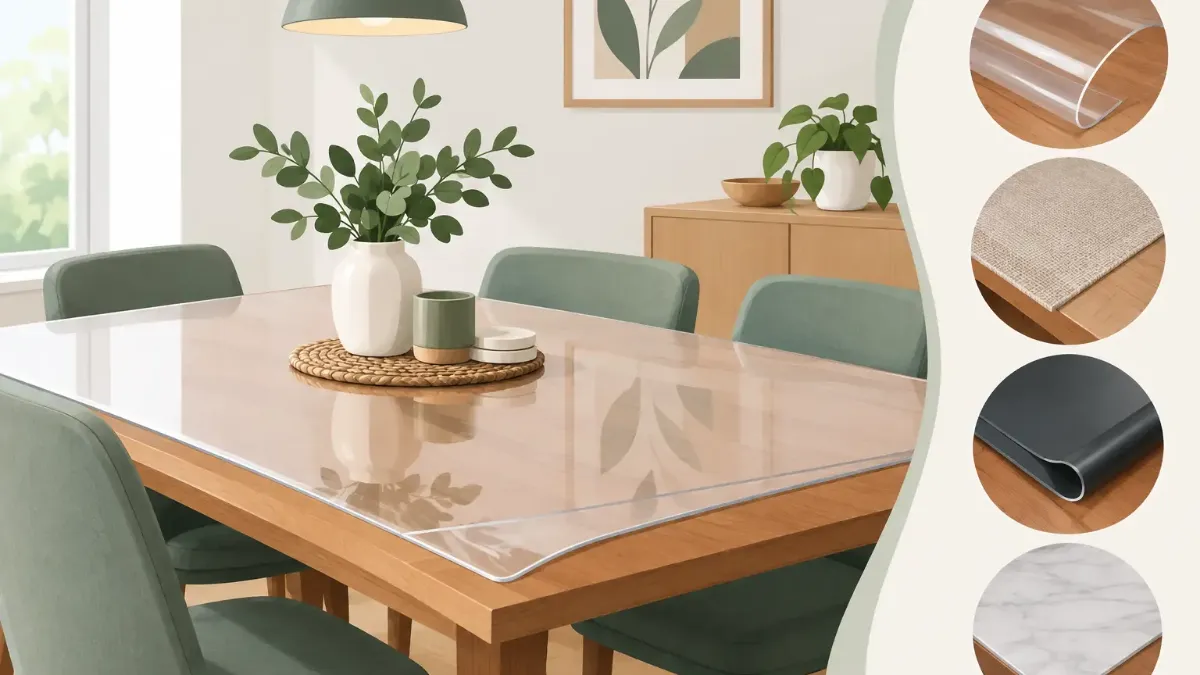
A dining table earns its marks quickly: a coffee ring during a rushed morning, a serving dish set down too soon, a child’s art project that outlasts the afternoon. The best top table protectors do more than prevent those moments from becoming permanent. They give the table a finished, considered presence before the first plate is served.
For a design-led home, protection should not feel like an afterthought. A clear plastic cover may preserve a surface, but it can also flatten the character of a beautiful dining room. The better approach is to choose protection that suits how the table is used, the material beneath it, and the visual mood you want to create.
What a Table Protector Should Actually Do
Not every table needs the same kind of defense. A solid wood dining table may need protection from moisture, heat, and scratches. A glass-topped table is less vulnerable to staining, but it can show smudges and feel hard or noisy during meals. Painted, lacquered, and veneer surfaces call for a gentler layer that will not trap moisture or react with the finish.
A good protector addresses the daily risks without making the table less inviting. For many homes, that means using layers rather than one permanent cover: placemats for each setting, a runner to frame the center, trivets for hot serving pieces, and a tablecloth or pad for larger gatherings. This creates flexibility. The table can look relaxed on a Tuesday and fully dressed for a holiday dinner without sacrificing the surface underneath.
The right choice also depends on your habits. If meals are formal and occasional, a refined textile tablecloth may offer enough protection. If your table doubles as a homework station, work surface, and entertaining space, wipeable placemats and a sturdy pad will do more practical work.
Top Table Protectors, by Material and Use
Artistic placemats for everyday coverage
Placemats are often the most effective everyday solution because they protect exactly where use happens. They catch drips, soften the contact between dishes and the table, and define each place setting with color and pattern. Unlike a full tablecloth, they leave much of the table visible, which matters when the wood grain, stone, or finish is part of the room’s appeal.
For everyday dining, look for placemats with a smooth, easy-clean surface and substantial enough construction to lie flat. Printed designs should remain crisp after repeated wiping, especially in high-color patterns where fading can make a table setting feel tired. Art-led placemats offer another advantage: they can change the entire atmosphere of a kitchen or dining area without changing furniture, lighting, or paint.
A set in a rich botanical, abstract, or coastal pattern can carry a casual meal with the same visual intention as a more elaborate tablescape. SubliLux placemats are designed for this role, combining tabletop coverage with saturated artwork that makes the setting feel composed.
Table pads for complete surface protection
A table pad is the practical choice when a valuable dining table needs broad protection from heat, pressure, and impact. Often made with padded, insulated layers, these covers sit beneath a tablecloth and are especially useful for holiday meals, catered gatherings, and buffet-style serving.
Their trade-off is visual. A pad is usually not meant to be seen, and it can make the tabletop feel slightly more cushioned. That is ideal under a cloth for a large dinner, but less appealing for daily use. Store it flat when possible, since folds and creases can transfer into the cloth above.
Tablecloths for an all-over layer
A tablecloth protects a wider area than placemats and creates immediate visual unity. It is especially effective when the table has minor wear, when you are mixing seating styles, or when the goal is a softer, more formal setting. Linen and cotton bring texture, while coated fabrics and performance textiles make cleanup easier.
Still, a tablecloth alone is not a reliable heat barrier. A hot casserole dish can leave a mark through many fabrics, and spilled wine may reach the table if it is not cleaned promptly. Pairing a cloth with trivets and placemats gives it a more complete protective role.
Clear covers for high-risk households
Transparent vinyl or acrylic covers offer direct protection while allowing the tabletop to remain visible. They can be useful on a desk-height kitchen table, in a home with young children, or on a surface used for crafts and projects.
The compromise is aesthetic and material-specific. Vinyl can look overly casual in a dining room, may curl at the edges, and can trap moisture against certain finishes. Acrylic is cleaner-looking and more rigid but may scratch or create glare. If you choose a clear cover, lift it periodically and keep both surfaces dry. Never assume a protective layer is harmless simply because it is transparent.
Trivets and heat-resistant centerpieces
Trivets are small, but they prevent some of the most consequential damage: heat marks from serving dishes, Dutch ovens, tea kettles, and baking pans. They work best when placed before the hot item arrives, not fetched after the table is already at risk.
Choose pieces that feel intentional with your tableware. Stone, metal, woven fiber, and sculptural wood can all work beautifully, but the underside matters as much as the top. A rough base can scratch a wood table, while a metal piece may retain heat. Felt feet or a soft backing are thoughtful details.
Match the Protector to the Table Surface
Wood calls for breathable protection and consistent cleanup. Avoid leaving plastic covers in place for long periods, particularly in humid conditions, because trapped moisture can cloud or discolor some finishes. Use placemats for daily meals, and add a pad beneath a cloth for large events.
Glass benefits from materials that reduce clatter and visual glare. Woven or fabric-like placemats bring warmth, while smooth printed placemats keep spills manageable. Avoid abrasive backings that can leave fine scratches over time.
Stone and marble are durable but not invincible. Acidic foods, wine, citrus, and tomato-based sauces can etch or stain unsealed stone. Placemats and coasters reduce exposure, but wipe spills promptly rather than relying on any protector to do all the work.
Lacquered, painted, and veneer tables need the most caution with heat and adhesives. Avoid rubberized backings unless the manufacturer confirms they are finish-safe. When in doubt, test a placemat or pad in an inconspicuous spot for several days before using it across the full surface.
Build a Table Setting That Protects and Performs
The most polished tables rarely rely on one oversized protective layer. They use a quiet system. Start with placemats that establish color and contain everyday mess. Add coasters where beverages are likely to sit for a while. Keep two or three trivets within reach for shared dishes. For celebrations, bring in a runner or tablecloth, then place a protective pad underneath if the menu includes hot serving ware.
This layered approach keeps the table from looking defensive. It also makes cleanup easier because each element has a clear job. A placemat can be wiped down after breakfast; a runner can be shaken out after dinner; a table pad can remain reserved for occasions when the table needs more serious coverage.
Scale matters, too. On a round table, round or softly shaped placemats echo the silhouette and prevent a crowded look. On a long rectangular table, a runner can create a central line while individual placemats give each guest definition. If your table is compact, choose slimmer placemats with a strong pattern rather than oversized pieces that compete for space.
Care Is Part of Protection
Even premium table protectors need basic maintenance. Wipe spills before they dry, especially oils, sauces, and dark beverages. Clean with a soft cloth and mild soap when needed, then dry thoroughly. Avoid abrasive scrubbers that can dull printed surfaces or leave scratches.
Rotate frequently used placemats so one seat does not receive all the wear. Store them flat when possible, away from prolonged direct sun and excessive heat. For textiles, follow the specific care guidance rather than assuming every fabric can be machine washed or ironed at high heat.
A protected table should still look like a table you want to gather around. Choose pieces that respect the surface, then let color, texture, and artwork carry the room. The best protector is the one you are happy to leave in place long after the dishes are cleared.