Table Accessories That Make Every Setting Feel Designed
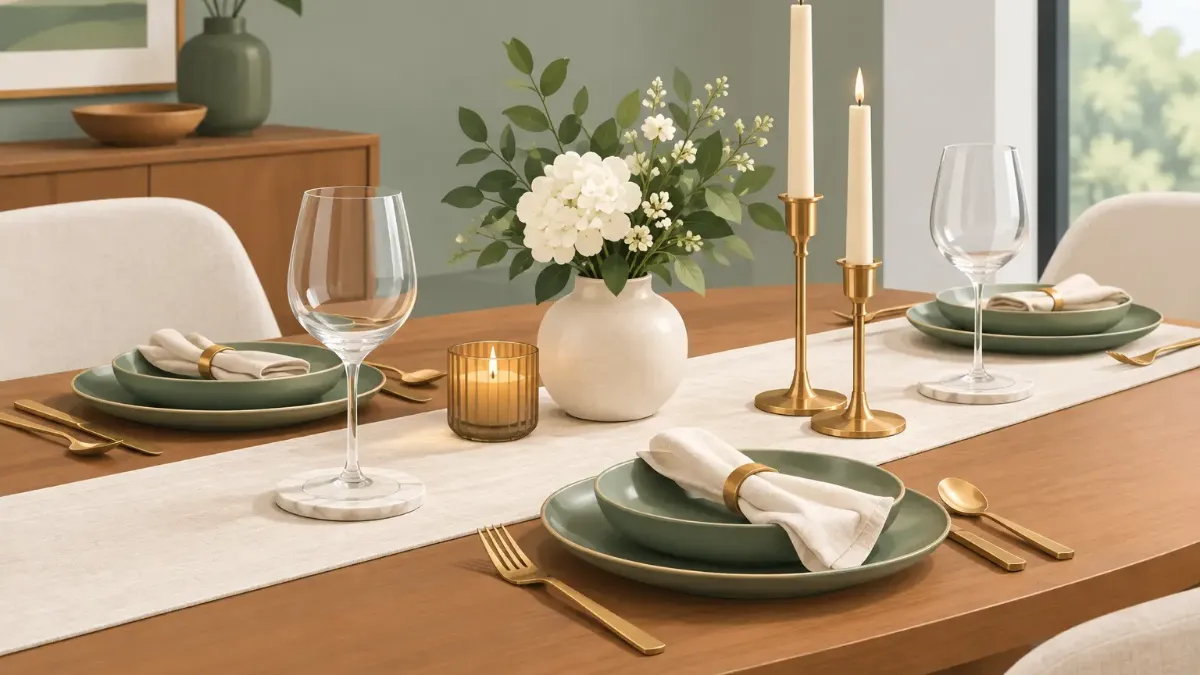
A dining table can be beautifully made and still feel unfinished. The difference often comes down to table accessories: the pieces that bring color, texture, proportion, and a point of view to the surface. A placemat beneath a plate, a low bowl at the center, or a pair of taper candles can shift the entire room from functional to considered.
The goal is not to crowd the table. It is to give each meal, whether it is a quick Tuesday dinner or a long weekend lunch, a setting that feels intentional. The best accessories do that with a clear visual hierarchy and enough flexibility to suit real life.
Start With the Layer Closest to the Plate
Placemats are often the first design decision because they establish the footprint of every place setting. They also solve a practical problem: protecting the table from heat, scratches, spills, and the everyday movement of dishes. But their visual role is just as important.
A printed placemat can introduce art where a room needs it most: directly in the frame of a meal. A bold botanical pattern can soften a clean-lined dining area. An abstract composition can bring energy to neutral furniture. A deep, saturated color can make basic white dinnerware feel selected rather than simply owned.
This is where a high-quality printed finish matters. Color should look clear, layered, and confident, not dull or overly glossy. Sublimation-based artwork is especially suited to design-led placemats because it allows intricate pattern and vivid color to become part of the surface rather than an afterthought. SubliLux approaches the placemat as both protection and visual art, which is exactly the balance a well-styled table needs.
When choosing a shape, let the table guide you. Rectangular placemats naturally reinforce the lines of a long dining table. Round versions can soften a square table or create a more relaxed setting at a breakfast nook. For a round table, either shape can work, but the scale matters more than strict geometry. Leave enough visible tabletop around each setting so the arrangement can breathe.
Build a Palette, Not a Perfect Match
Coordinated table accessories do not need to come from one collection. In fact, a table often looks more personal when the elements are related rather than identical. Think in terms of a palette: one dominant color, one supporting neutral, and one accent that gives the setting a little tension.
If the placemat carries a strong pattern, keep plates quiet. White, cream, charcoal, or clear glass lets the artwork do its work. If your dinnerware is patterned or richly colored, use a placemat with a simpler field of color or a restrained border. The table should have one focal point, not five competing ones.
Metal finishes deserve the same discipline. Brass brings warmth and works beautifully with olive, rust, ink blue, and warm ivory. Silver or brushed nickel feels crisp beside cool grays, black, cobalt, and white. Matte black can anchor almost any palette, though it looks most polished when repeated at least once in another detail, such as a candleholder, serving utensil, or chair frame.
Matching every finish can make a setting feel staged. Mixing finishes can look collected, but only when there is a reason for it. A brass candlestick beside stainless flatware is easy to live with if the overall palette is warm and the shapes are clean. Add copper, glossy gold, and polished chrome at the same time, and the effect can become visually noisy.
Use Contrast With Restraint
Contrast gives a table dimension. Pair smooth ceramic plates with woven napkins, a graphic placemat with handmade glassware, or a dark table with lighter accessories. The key is to choose one or two contrasts, then stop.
Texture is especially valuable in neutral interiors. A cream dining room can feel flat without it. Linen napkins, ribbed glass, a matte ceramic serving bowl, and an artful placemat create variation without requiring a dramatic color scheme. This approach also makes seasonal updates easy. You can keep your core pieces and alter the mood with color, foliage, or candles.
Choose Centerpieces That Leave Room for Conversation
The centerpiece is where good intentions often go wrong. It is tempting to fill the middle of the table with flowers, branches, serving pieces, and decorative objects. But a dining table is not a console. People need to see one another, pass food, and set down a glass without navigating an obstacle course.
For everyday use, a single low bowl, a compact vase, or a cluster of three small vessels is usually enough. Choose a centerpiece that looks finished from every angle. A low ceramic bowl filled with citrus, pears, or sculptural artichokes offers color and shape without requiring weekly floral arrangements. A small vase with a few branches can feel more modern than a large, densely packed bouquet.
For dinner parties, candlelight adds more atmosphere than height. Use low votives or slender tapers in stable holders, keeping flames away from napkins, dried botanicals, and trailing greenery. Unscented candles are generally the better choice at a dining table. A fragrance that feels lovely across the room can compete with food once guests are seated.
Long tables benefit from rhythm. Instead of one oversized centerpiece, repeat smaller forms down the center: three low arrangements, a line of votives, or a few bowls with seasonal fruit. Round tables usually need one central gesture, kept low enough for conversation.
Let Function Shape the Details
The most successful table accessories earn their place. Coasters protect finishes and make a cocktail hour feel complete. A tray gathers oil, salt, pepper, and small condiment bowls so the table remains composed. A handsome pitcher makes water service easier and avoids a parade of plastic bottles.
Napkins are another small detail with an outsized effect. Cloth napkins immediately add softness, and they do not need elaborate folds to look elevated. A simple fold placed beneath the fork, across the center of a plate, or loosely tied with a narrow ribbon is enough. The fabric should suit the occasion. Linen feels relaxed and refined, while crisp cotton gives a cleaner, more tailored look.
Consider the realities of your household before selecting delicate pieces. If children, pets, outdoor meals, or frequent hosting are part of the picture, durability matters. Choose accessories that wipe clean, can be moved easily, and do not demand special handling every time someone sets the table. Premium does not have to mean precious.
This is also where scale becomes practical. Oversized chargers may look dramatic in a photograph, but they can leave little room for serving dishes on a smaller table. Tall glassware may be elegant, but it is not always the right choice for a crowded family meal. A well-designed table accommodates the people using it.
Refresh the Table Without Replacing Everything
A table setting does not need a complete redesign each season. Keep a foundation of versatile dinnerware, dependable flatware, and a few serving pieces you genuinely enjoy using. Then update the visual layer.
In spring and summer, introduce bright art, translucent glass, fresh greens, or a playful stripe. Autumn works well with warmer tones, natural textures, and deeper patterns. Winter settings can feel festive without relying on obvious holiday motifs: dark green, oxblood, midnight blue, cream, and metallic accents all create a more enduring sense of occasion.
For outdoor tables, choose color that holds its own against daylight and surrounding greenery. A pale neutral that looks elegant indoors may disappear on a sunny patio. Stronger placemats, weighted napkins, and low-profile centerpieces tend to perform better outside. Wind, direct sun, and easy cleanup are design considerations, not inconveniences to ignore.
A Table Should Reflect the Way You Gather
The right table accessories are not about following a rigid formula. A formal dining room may call for quieter layers and more sculptural detail. A kitchen table may need color, easy-care surfaces, and pieces that make ordinary meals feel less ordinary. A patio may ask for bolder pattern and simpler materials.
What matters is that the table feels like an extension of the home rather than a surface you only notice when guests arrive. Begin with one artful layer, give it room to stand out, and add only what makes the gathering more beautiful or more useful. The most memorable settings are not overstyled. They simply make people want to sit down and stay awhile.