A Guide to Tablescape Layering That Feels Intentional
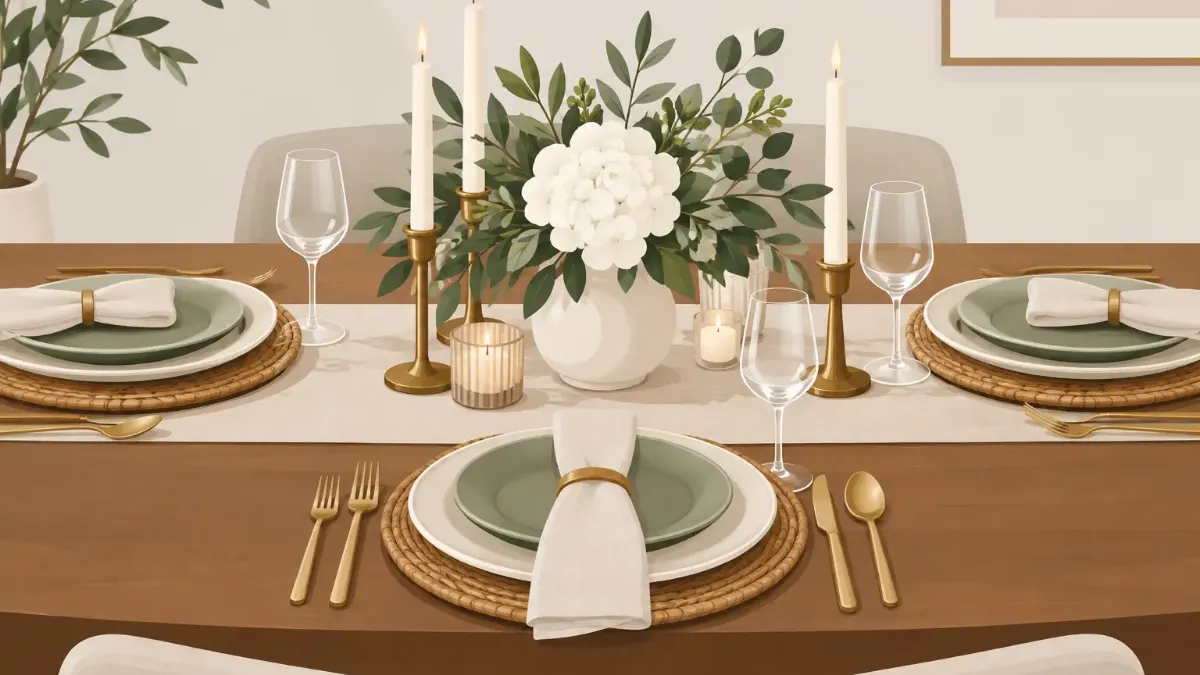
A beautiful table rarely comes from buying one perfect set of dishes. It comes from editing the relationship between each piece. This guide to tablescape layering is designed for hosts and design-minded homes that want a setting to feel composed, personal, and easy to live with - whether the occasion is a quiet Tuesday dinner, a birthday brunch, or a long holiday meal.
Layering is not about adding more. It is about creating visual depth with enough contrast to make every place setting feel distinct, while leaving enough breathing room for the food, conversation, and people at the table. The result should look considered, not crowded.
Start With the Table’s Point of View
Before choosing a plate or folding a napkin, decide what the table is meant to express. A tablescape can feel sun-washed and informal, graphic and contemporary, warm and collected, or quietly formal. That first decision keeps the layers from competing.
Look at the room around the table. A dark wood dining table may call for crisp white ceramics, linen texture, and artwork with saturated color. A pale oak table can support softer tonal layers, translucent glass, or a patterned placemat that creates definition against the wood. On a patio, the setting usually benefits from stronger color and materials that feel relaxed rather than precious.
Choose one visual anchor, then let the other layers support it. The anchor might be a vivid placemat, an heirloom plate, a floral arrangement, or the tablecloth itself. When everything asks for equal attention, the eye has nowhere to land.
The Foundation Sets the Rhythm
The bottom layer establishes the scale and mood of every setting. It can be the bare tabletop, a runner, a cloth, or individual placemats. There is no universal best choice. It depends on the table, the meal, and how much pattern you want to introduce.
A bare table is architectural. It lets natural grain, stone, or painted color become part of the composition. This works especially well when you want graphic placemats or sculptural dinnerware to take the lead. A tablecloth creates softness and ceremony, but it can flatten a setting if every other element is equally matte and neutral.
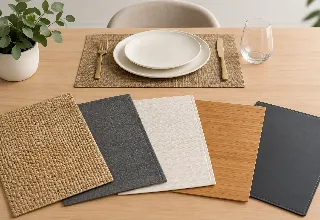
Placemats offer a particularly useful middle ground. They frame each guest’s place without covering the entire table, protect the surface, and create a repeatable structure for color and pattern. Artistic placemats from SubliLux can act as the visual starting point, bringing printed detail and personality to a table before a single plate is added.
For a polished look, pay attention to proportion. A placemat should give the plate a visible border and still leave room for glassware and flatware. If it is too small, the arrangement feels compressed. If it is oversized on a narrow table, guests may feel as though they are dining inside a grid.
Build a Guide to Tablescape Layering Around Contrast
The most compelling tablescapes use contrast with restraint. Consider matte against gloss, soft linen against glazed ceramic, clear glass against rich color, or a loose organic floral shape against tailored flatware. These differences create depth without requiring a large collection of tabletop pieces.
Start with a dinner plate, then decide whether it needs a second layer. A charger brings formality and can define a large table, but it is not required. For everyday entertaining, a placemat followed by a dinner plate and a smaller salad plate is often enough. If the meal does not include a salad course, do not add the plate simply to fill space.
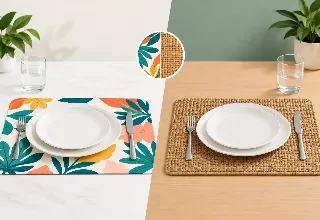
Pattern needs the same discipline. A bold botanical placemat may pair best with solid dinnerware and a napkin in one color pulled from the design. If the plate is patterned, choose a quieter placemat with an edge, texture, or tonal variation rather than another busy print. Mixing patterns can be striking, but use a shared element - a color family, a similar line quality, or a repeated motif - to make the pairing feel deliberate.
A reliable balance is one dominant pattern, one supporting texture, and one calm surface. It creates visual interest while preserving the clarity of the place setting.
Make Color Feel Connected, Not Matched
Matching every item exactly can make a table feel more like a showroom than a home. Instead, create a palette with a lead color, a secondary color, and a neutral. The neutral might be ivory ceramic, natural linen, smoke-colored glass, brushed metal, or the wood of the table itself.
A deep blue placemat, for example, can be paired with warm white plates, olive napkins, and clear glass. The colors do not repeat exactly, yet they speak to one another. For a more tonal setting, move through shades of one color: rust, clay, blush, and cream; or moss, sage, and soft gray. Tonal layers are especially effective when you want the table to feel calm but not plain.
Keep lighting in mind. Daylight reveals subtle texture and softer hues beautifully. Evening candlelight enriches deeper colors, metallic details, and reflective glassware. A color that feels understated at noon may feel dramatic after sunset, so set the table in the conditions in which guests will experience it.
Use Height Without Blocking the Conversation
Height is what gives a tablescape its presence, but it is also where a beautiful idea can become impractical. Centerpieces should stay low enough for guests to see across the table or rise high enough to sit above the sightline. The awkward middle is a tall arrangement that forces everyone to look around it.
For a long rectangular table, repeat a few small vessels rather than using one oversized centerpiece. Bud vases, low bowls of fruit, or grouped candleholders create movement down the length of the table and leave open space near each guest. On a round table, one low central arrangement often works best because the setting is already naturally communal.
Candles bring atmosphere quickly, but use them as an accent, not a barrier. Varying heights are elegant when the bases share a finish or color family. Taper candles feel more formal; votives and small hurricanes are easier for an outdoor meal or a table where serving dishes will be passed frequently.
Fresh flowers are not mandatory. Branches, herbs, citrus, pears, artichokes, or a single sculptural bowl can provide the same sense of abundance with a more relaxed point of view. The choice should suit the meal. A seafood lunch may welcome lemon and herbs; a winter dinner may feel right with dark fruit, evergreen clippings, and candlelight.
Treat Napkins and Flatware as Design Elements
Napkins are one of the easiest ways to change a tablescape without replacing the larger pieces. Their placement shifts the mood. Folded beside the plate, they feel tailored. Draped softly across a plate, they feel more romantic. Passed through a simple ring, they add a small moment of material or shine.
Avoid overcomplicated napkin folds unless the occasion genuinely calls for them. A clean fold lets the fabric, color, and texture do the work. Linen brings a relaxed, tactile quality; a crisp cotton napkin reads cleaner and more classic. If the placemat carries a print, choose a napkin that gives the pattern room.
Flatware should align with the setting’s level of formality, but it does not need to be precious. Brushed gold warms earthy palettes. Black or dark-handled flatware adds definition to pale tables. Stainless steel remains versatile and polished, particularly when paired with interesting ceramics or printed tabletop art. Place only the utensils needed for the menu. Extra pieces create ceremony only when they have a purpose.
Leave Room for Real Life
The final layer is usability. A table should be beautiful when guests sit down and still work once plates are served, wine is poured, and shared dishes arrive. Before the meal, place a serving bowl or platter on the table and notice what happens to the composition. If every open surface disappears, simplify the centerpiece or reduce the number of decorative objects.
This is especially relevant for smaller dining tables and apartment spaces. A strong placemat, well-chosen plate, cloth napkin, and one small candleholder can create more impact than a crowded arrangement of accessories. Scale is a form of luxury because it makes the experience feel comfortable.
Do not feel obligated to use every item in a coordinated collection. The most memorable tables often combine new pieces with familiar ones: a favorite glass, a handmade bowl, a vintage candlestick, or everyday dinnerware that looks newly intentional against a different placemat. Repetition creates order; one unexpected detail creates character.
Set the table early enough to step back from it. Look from the doorway, then from a seated position. Remove anything that feels like it is there only because you own it. Keep the layer that adds color, texture, warmth, or function. A thoughtfully edited table invites people to linger - and that is the detail guests remember.