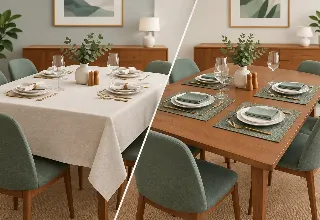
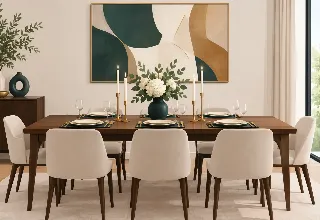
Tableware Trends That Make Every Setting Feel Intentional
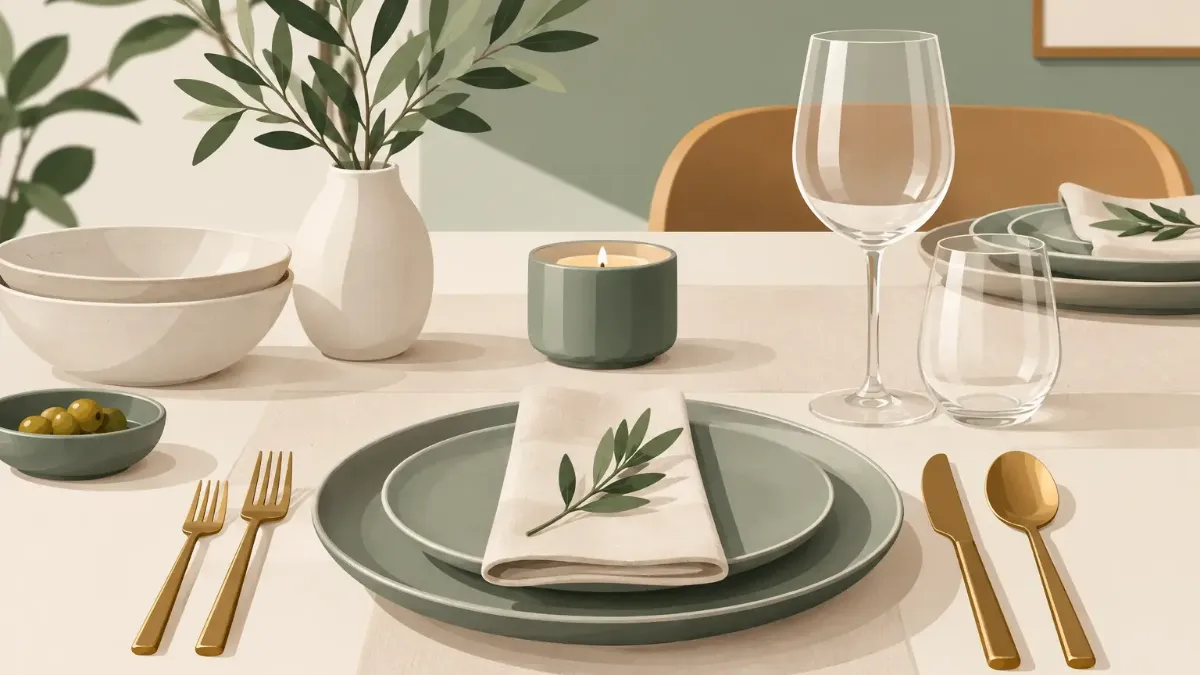
A table no longer has to wait for a holiday to look considered. The most compelling tableware trends are moving away from strict matching sets and toward settings with presence: layered color, expressive pattern, tactile finishes, and pieces that make an ordinary dinner feel deliberately styled. For homes where the kitchen island, dining table, or patio is part of the visual landscape, tabletop decor has become one of the easiest ways to refresh a room.
The appeal is practical as much as aesthetic. A new sofa is a commitment. A set of artistic placemats, a sculptural bowl, or a fresh palette of dinnerware can shift the mood of an entire space in minutes. The goal is not perfection. It is a table that feels like it belongs to the people gathering around it.
Tableware Trends Are Getting More Expressive
For years, neutral dishes and quiet linens dominated the idea of timeless entertaining. They still have a place, especially in minimal interiors, but the current direction is more confident. Color and pattern are being used as focal points rather than background details.
Rich cobalt, tomato red, leafy green, saffron, and saturated pink are appearing beside softened neutrals such as sand, cream, mushroom, and warm gray. The strongest settings do not necessarily use every color at once. They choose a point of view. A blue-and-white patterned placemat can make simple ivory plates feel collected. A warm botanical print can bring life to a wood table without asking the rest of the room to change.
This is where tableware becomes decorative in its own right. A placemat is no longer only a layer of protection under a plate. It can establish the palette, introduce artwork, and give everyday dishes a more finished frame.
The Return of the Collected Table
The coordinated 12-piece set is giving way to combinations that look assembled over time. That does not mean random. A collected table relies on a few visual threads: repeated color, related shapes, a shared material, or one pattern that anchors the arrangement.
Try pairing smooth white dinner plates with tinted glassware and textured napkins. Or use classic ceramic dishes with a graphic placemat that adds a sharper, more contemporary edge. Mixing works best when one element remains calm. If the pattern is bold, keep the plates simple. If the dinnerware has an irregular glaze or hand-painted rim, choose a placemat that offers color without competing detail.
The trade-off is that an eclectic setting can look cluttered if every item asks for attention. Give the eye a place to rest. Negative space on a plate, a clear glass, or a plain napkin often provides the balance that makes layered styling look polished rather than busy.
Pattern Is Becoming a Tabletop Essential
Patterned tabletop pieces are especially useful because they add character without requiring a permanent design decision. Florals can feel fresh and graphic rather than traditionally formal. Stripes bring structure. Checks offer a relaxed, tailored note. Abstract brushwork and painterly motifs turn a place setting into a small visual composition.
Scale matters. Larger patterns often read best from across a room and can make a simple table feel more dramatic. Smaller repeats feel more intimate and are easier to layer with detailed plates or textured linens. If your dining area already includes strong wallpaper, colorful cabinetry, or a statement rug, a cleaner graphic or limited-color pattern may be the better choice.
For entertaining, pattern can also do quiet work for you. It disguises minor splashes, gives guests an immediate sense of occasion, and makes even a casual menu feel more composed. A well-chosen placemat changes the impression of takeout just as effectively as it elevates a multi-course dinner.
Material Matters, but Maintenance Matters Too
Natural-looking texture remains a major influence in tableware trends. Stoneware, woven fibers, ceramic finishes, matte glazes, and organic silhouettes bring warmth to tables that might otherwise feel overly sleek. These materials make a setting feel grounded and relaxed, particularly when paired with wood, linen, or seasonal branches.
But lifestyle should decide how far you take the look. Delicate handmade ceramics are beautiful for slower gatherings, yet they may not suit a household with young children, frequent outdoor meals, or a packed weekly schedule. Similarly, linen offers a lovely drape, but it requires more care than many hosts want for Tuesday night dinner.
Easy-clean surfaces are becoming more desirable not because people care less about design, but because they want design they can actually use. Durable printed placemats offer a useful middle ground: vivid artwork and a refined look, with less anxiety around spills, sauce, or everyday cleanup. At SubliLux, that balance is central to the idea of a placemat as both functional protection and decorative art.
Sculptural Details Create a Finished Look
A setting gains depth when it includes a few pieces with dimensional presence. Think low, wide serving bowls; softly rippled glassware; coupe-shaped dessert dishes; and pitchers with a hand-formed silhouette. These details are not reserved for formal occasions. One sculptural serving piece can make a weeknight meal feel more generous.
The key is proportion. A centerpiece should not block conversation, and oversized servingware can overwhelm a small apartment table. On a compact round table, use one low bowl with fruit, citrus, or a few stems rather than a tall arrangement. On a long dining table, create rhythm with two or three lower elements spaced along the center.
Metal accents are also returning in a quieter way. Brushed brass, warm silver, and darkened stainless steel bring contrast to ceramic and textile surfaces. They work best as a small highlight, such as flatware, napkin rings, or a candleholder, instead of a full metallic theme.
Seasonal Styling Is Becoming Less Literal
Seasonal table settings are moving beyond obvious motifs. Instead of relying on themed icons, many hosts are choosing colors, botanicals, and textures that suggest the season with more restraint. Spring might mean green glass and painterly florals. Summer can lean into citrus tones, nautical stripes, or bright blue. Autumn does not need to be covered in pumpkins to feel warm - rust, wine, olive, and deep ochre will do the work. In winter, ink blue, forest green, cream, and subtle metallic accents feel festive without becoming overly formal.
This approach has a practical advantage: pieces remain useful after the occasion passes. A patterned placemat selected for a Thanksgiving table can continue to work with winter dinners. A red accent used for a December gathering may feel equally right for a summer pasta night with tomatoes and herbs.
A Better Way to Build Your Tabletop Collection
Start with the table you use most, not the imaginary formal dining room. Consider its size, surface, lighting, and the kind of meals it sees during a normal week. Then choose a flexible foundation: versatile plates, comfortable glassware, and a set of placemats with enough visual character to make the table feel styled even when the menu is simple.
From there, add in layers over time. One seasonal pattern, one memorable serving bowl, and a few napkins in colors that relate to your existing decor are enough to create range. Buying everything at once often produces a setting that feels staged. Building slowly allows the table to develop a more personal rhythm.
A beautiful table is not defined by how much sits on it. It is defined by whether the pieces invite people to stay a little longer. Choose the color, pattern, and texture that make you want to set the table before anyone has even asked what is for dinner.