Table Linens Versus Placemats for Stylish Dining
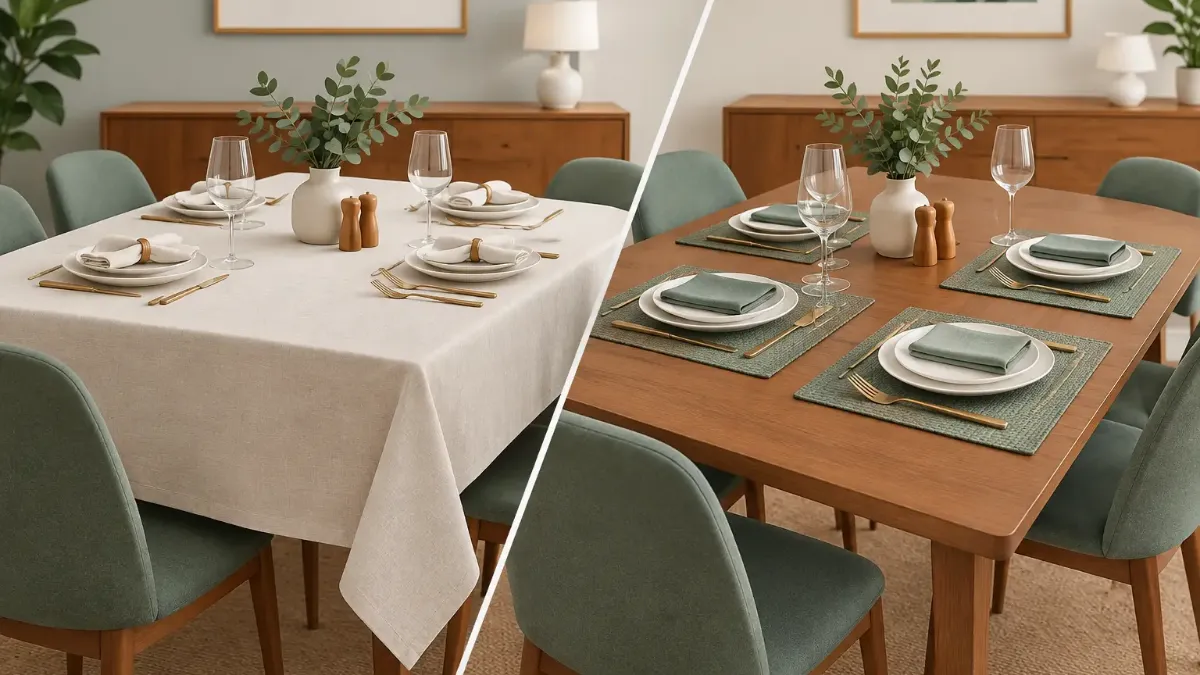
A bare table can make even a beautifully prepared meal feel unfinished. The choice between table linens versus placemats shapes more than cleanup: it sets the color, texture, formality, and visual rhythm of the room. For homes that treat the table as part of the décor, the right foundation can change the entire scene in minutes.
Table linens and placemats are not interchangeable. One creates an overall setting; the other gives each place setting its own frame. The better choice depends on how you live, how often you host, and whether you want your table to feel softly layered or cleanly composed.
What Counts as Table Linens?
Table linens are fabric-based pieces designed to cover, soften, or dress the dining table. They include tablecloths, table runners, cloth napkins, and occasionally coordinated overlays. A full tablecloth provides the most coverage, while a runner adds a central band of color or texture without hiding the table itself.
Their appeal is atmosphere. Linen, cotton, and textured woven fabrics introduce movement and depth that hard tabletop surfaces cannot replicate. A neutral cloth can make mixed dinnerware feel more intentional. A richly colored runner can pull a seasonal palette together without changing plates, glassware, or centerpiece.
That visual softness comes with a practical trade-off. Fabric absorbs spills, may need laundering after use, and often requires pressing or careful folding to look polished. For a dinner party, those extra steps can be worthwhile. For a weekday breakfast with coffee, toast, and a full schedule, they may feel less appealing.
Where linens shine
Table linens are especially effective for longer gatherings and tables with visible wear, uneven finishes, or a surface you would rather protect completely. They also suit formal dining rooms, holiday meals, bridal showers, and occasions where layered place settings are part of the experience.
A tablecloth works best when the table itself is not the focal point. If you have a beautiful wood grain, marble top, or sculptural dining table, a runner may offer a more balanced compromise. It adds softness while leaving the material and shape of the table visible.
Why Placemats Create a Different Effect
Placemats are individual settings placed beneath each diner’s plate, usually with room for flatware and a glass. They establish order immediately. Instead of covering the entire table, they create distinct visual moments around it.
This makes placemats particularly effective for everyday use. They protect the areas that receive the most heat, crumbs, condensation, and utensil marks without turning every meal into a laundry task. Most can be shaken out or wiped down quickly, depending on their material and finish.
Design also works differently at the placemat scale. A bold pattern can be expressive without overwhelming the room because it repeats in measured intervals. Art-led imagery, saturated color, and graphic motifs can make a simple white plate look considered rather than plain. SubliLux approaches the placemat as a compact piece of tabletop art: practical enough for daily meals, distinctive enough to set the mood for guests.
The advantage of visual flexibility
Placemats make it easier to refresh a dining space without replacing major pieces. Change the placemat design and the table can shift from coastal to botanical, minimal to maximal, or autumnal to bright spring color in a few minutes.
They are also forgiving with existing décor. A set can coordinate with your dining chairs, artwork, or kitchen accent colors without requiring a perfectly matched tablecloth, napkin set, and centerpiece. For renters, apartment dwellers, and anyone who likes to change the feel of a room often, that flexibility has real value.
Table Linens Versus Placemats for Everyday Meals
For daily dining, placemats usually offer the better balance of polish and practicality. They define the table without demanding much maintenance, and they make casual meals feel less improvised. A set left in place can give the dining area a finished look even between meals.
Table linens can work every day too, especially on a table used mainly for dining rather than homework, crafts, or remote work. The key is choosing washable materials and accepting a relaxed finish. Not every tablecloth needs to be crisp or formal. A casually draped cotton cloth can make a kitchen dining nook feel warm and lived-in.
Consider the people using the table. Homes with young children, pets, or frequent quick meals often benefit from easy-clean placemats. Households that gather for unhurried dinners may enjoy the ritual of cloth napkins, runners, and a more layered setting. There is no single “elevated” answer. The most refined choice is the one that stays usable.
Choosing for Hosting and Special Occasions
When hosting, start with the mood rather than the guest count. A tablecloth creates a unified, ceremonial look. It is ideal when you want candlelight, flowers, and serving pieces to feel part of one composition. It can also disguise mismatched tables or protect a valuable surface during a long meal.
Placemats create a more contemporary, tailored effect. They allow the tabletop to remain part of the design and give every guest a clearly defined place. They are especially strong for outdoor dining, brunches, dinner parties with bold dinnerware, and tables where each seat should feel individually styled.
The strongest settings often combine both approaches. A runner can anchor the center of the table while placemats organize the perimeter. This pairing works best when one element is visually quiet. For example, pair a textured neutral runner with artistic placemats, or use a patterned runner with simple solid placemats. When both compete for attention, the table can feel crowded before the food arrives.
Scale matters more than people expect
A tablecloth should have enough drop to look intentional, typically hanging well beyond the tabletop without interfering with chairs or diners’ laps. A runner should be narrow enough to preserve usable space for plates and serving dishes.
For placemats, leave breathing room between settings. If placemats overlap or press against one another, the table may be too small for the number of seats or the selected shape. Round tables often suit round or softly curved placemats, while rectangular tables tend to favor rectangular designs. These are guidelines, not rules, but proportion is what makes a setting feel expensive rather than crowded.
Care, Cost, and Longevity
Care requirements should influence the purchase as much as appearance. Natural-fiber linens develop character over time but may wrinkle, fade, or stain if not treated promptly. They reward thoughtful care and are often worth reserving for entertaining or lower-mess meals.
Placemats vary widely by construction. Some are woven and textured, while others have a smooth, wipeable surface. Printed placemats offer a particular advantage when color is central to the design: the right production method can preserve crisp detail and rich saturation through regular use. Still, “easy care” does not mean indestructible. Hot cookware, sharp edges, and harsh cleaners can shorten the life of nearly any tabletop material.
Cost should be considered across the whole setting. A tablecloth may seem like one purchase, but it often invites coordinating napkins, runners, and accessories. Placemats are purchased by seat, yet they can be used alone with dinnerware you already own. If you are building a look gradually, a set of placemats may deliver the fastest visible change for the budget.
A Simple Way to Decide
Choose table linens when you want softness, coverage, and a more traditional or occasion-driven presentation. Choose placemats when you want easy maintenance, visible tabletop material, and a sharper visual frame around each seat.
If your dining table serves multiple roles, placemats are often the practical first layer. If entertaining is a major part of your home, adding a runner or tablecloth gives you another styling option when the moment calls for it. You do not need to commit to one category forever; a well-dressed table has room for both.
Let the table reflect the way you gather. A vivid placemat set can make Tuesday dinner feel considered, while a favorite linen can make a holiday meal feel beautifully unhurried.